
Exploring the comparison between Employee Health Insurance and Private Insurance, this informative piece dives into the key differences and considerations that individuals and companies should be aware of.
It offers a detailed analysis of coverage, benefits, cost implications, and customization options to help readers make informed decisions regarding their insurance choices.
Employee Health Insurance vs Private Insurance
Employee health insurance and private insurance are two common options for individuals seeking coverage for healthcare expenses. Here are the key differences between the two:
Employee Health Insurance
Employee health insurance is typically provided by an employer as part of the employee benefits package. It covers medical expenses for the employee and sometimes their dependents. Some companies that offer comprehensive employee health insurance packages include Google, Microsoft, and Apple.
- Advantages of Employee Health Insurance:
- Lower cost for employees
- Group coverage often includes more benefits
- No need to go through the underwriting process
- Disadvantages of Employee Health Insurance:
- Less flexibility in choosing doctors and hospitals
- Dependent coverage may be limited
- Coverage is lost if you leave the company
Private Insurance
Private insurance is purchased directly by individuals or families from insurance companies or brokers. It offers more flexibility in terms of coverage options, providers, and networks.
- Advantages of Private Insurance:
- More choice in selecting doctors and hospitals
- Customizable coverage based on individual needs
- Portability - coverage stays with you even if you change jobs
- Disadvantages of Private Insurance:
- Higher premiums compared to group plans
- May require medical underwriting and exclusions for pre-existing conditions
- Individual policies may have more limited coverage options
Coverage and Benefits
Employee health insurance plans typically offer comprehensive coverage for medical expenses, including doctor visits, hospital stays, prescription drugs, and preventive care. Benefits often include coverage for pre-existing conditions and mental health services.
Employee Health Insurance Coverage and Benefits
- Medical coverage for doctor visits and hospital stays
- Prescription drug coverage
- Preventive care services
- Coverage for pre-existing conditions
- Mental health services
Private Insurance Coverage and Benefits
- More flexibility in choosing healthcare providers
- Additional coverage options for elective procedures
- Customizable plans to fit individual needs
- Additional benefits like dental and vision coverage
Employee health insurance plans may offer more standardized coverage but private insurance plans provide more flexibility and customization options.
Cost Considerations
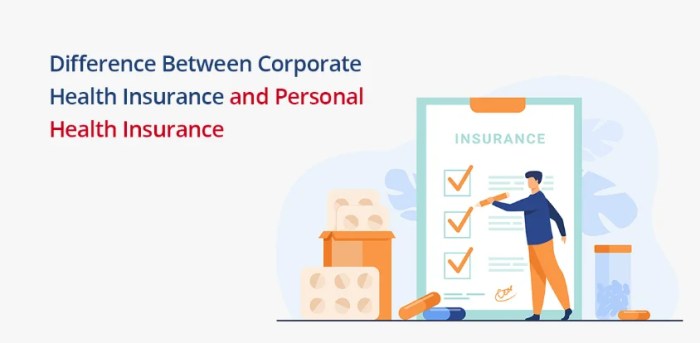
When it comes to choosing between employee health insurance and private insurance, cost considerations play a significant role in the decision-making process. Let's delve into the cost implications of both types of insurance and how they can impact both employers and employees.
Cost Implications of Employee Health Insurance
Employee health insurance is typically offered by employers as part of the benefits package. While this can be a valuable perk for employees, it also comes with costs for both employers and employees. Employers bear the primary cost of providing health insurance to their employees, which can significantly impact their bottom line.
On the other hand, employees may have to contribute to the cost of premiums, deductibles, and copayments, depending on the specific plan.
Cost Breakdown of Private Insurance vs. Employee Health Insurance
Private insurance, on the other hand, is purchased by individuals directly from insurance companies or through the healthcare marketplace. The cost of private insurance can vary based on factors such as age, health status, coverage options, and location. In comparison, employee health insurance costs are typically shared between employers and employees, with employers covering a larger portion of the expenses.
Factors Influencing Cost-Effectiveness
Several factors influence the cost-effectiveness of both employee health insurance and private insurance. For employee health insurance, factors such as the size of the company, the health of the workforce, and the specific benefits offered can impact the overall cost to employers.
In contrast, private insurance costs are influenced by individual factors like age, pre-existing conditions, desired coverage levels, and geographic location.
Flexibility and Customization
When it comes to choosing between private insurance and employee health insurance, flexibility and customization play a crucial role in meeting the unique needs of individuals and their families. Let's explore how each option offers different levels of flexibility and customization to cater to diverse requirements.
Private Insurance Plans
Private insurance plans offer a wide range of options for customization to suit the specific needs of policyholders. Individuals can choose from different coverage levels, deductibles, and additional benefits such as vision and dental coverage. Policyholders also have the flexibility to select their preferred healthcare providers and hospitals, giving them more control over their healthcare decisions.
Additionally, private insurance plans may offer more comprehensive coverage for specific treatments or services that may not be included in standard employee health insurance policies.
Employee Health Insurance
Employee health insurance, provided by employers, often comes with limited customization options compared to private insurance plans. However, employers may offer different plan options with varying levels of coverage and cost-sharing arrangements. Employees may have the flexibility to choose between different plans based on their individual needs and budget constraints.
Some employee health insurance plans also allow for the inclusion of dependents, providing coverage for family members at a subsidized rate.
Importance of Flexibility
Flexibility in choosing between private insurance and employee health insurance is essential as it allows individuals to tailor their coverage to meet their specific healthcare needs. For those who require specialized treatments or services, private insurance plans with customizable options may offer a more suitable solution.
On the other hand, employee health insurance can provide a cost-effective and convenient option for individuals who prefer the simplicity of employer-sponsored coverage.
End of Discussion
In conclusion, weighing the pros and cons of Employee Health Insurance versus Private Insurance is essential in determining the most suitable option for your specific needs. This discussion aims to shed light on the complexities of insurance decisions and empower individuals to make well-informed choices.
FAQ Corner
What are the key differences between Employee Health Insurance and Private Insurance?
Employee health insurance is typically provided by an employer, while private insurance is purchased individually. Employee plans may offer more limited options compared to private plans.
How do coverage and benefits differ between the two types of insurance?
Employee health insurance often includes basic medical coverage, while private insurance allows for more customization and additional benefits.
What are the cost implications for both employers and employees with regards to Employee Health Insurance?
Employers usually cover a portion of the cost for employee health insurance, making it more affordable for employees.
How can insurance plans be customized to meet individual needs?
Private insurance offers more flexibility in terms of customization, allowing individuals to tailor their plans according to their specific requirements.





![Trulicity Eye Side Effects Lawsuit [2025 Update] | King Law](https://medic.goodstats.id/wp-content/uploads/2025/12/Trulicity-Side-Effects-Common-Serious-Long-term-1-120x86.png)