
Small Business Health Insurance for Startups: Top 5 Providers is a crucial aspect for emerging businesses. In this article, we delve into the realm of health insurance, shedding light on the top providers and how they can benefit startups.
Let's explore the intricacies of health insurance tailored for startups and the key considerations to keep in mind.
Overview of Small Business Health Insurance for Startups
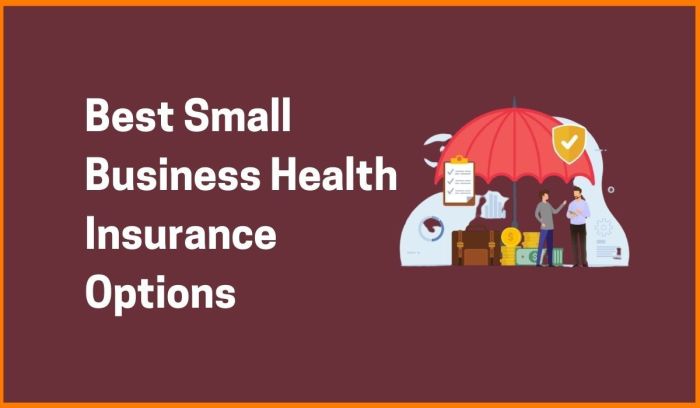
Small business health insurance for startups refers to the coverage provided by employers to their employees to help manage medical expenses. It is crucial for startups to offer health insurance as it not only attracts top talent but also ensures the well-being of their workforce.
Importance of Small Business Health Insurance for Startups
Providing health insurance for employees in a startup environment offers several advantages:
- Improved Employee Retention: Offering health insurance can enhance employee loyalty and reduce turnover rates, as employees are more likely to stay with a company that values their well-being.
- Attracting Top Talent: Health benefits are a significant factor for job seekers when considering employment opportunities. Startups that offer health insurance are more likely to attract and retain skilled employees.
- Boosting Employee Morale: Knowing that their health care needs are covered can significantly boost employee morale and productivity in the workplace.
Benefits of Small Business Health Insurance for Employees and Businesses
- Access to Quality Healthcare: Employees have access to medical services and treatments without financial stress, leading to better health outcomes.
- Cost Savings: Health insurance can help employees save money on medical expenses, which in turn can reduce absenteeism and increase productivity for the business.
- Enhanced Recruitment and Retention: Offering health benefits can set a startup apart from its competitors and attract top talent, while also retaining current employees.
Top 5 Providers for Small Business Health Insurance
When it comes to selecting health insurance for your startup, choosing the right provider is crucial. Here are the top 5 providers known for offering excellent small business health insurance options.
1. Blue Cross Blue Shield
Blue Cross Blue Shield is a well-established provider known for its wide network coverage and comprehensive health plans. They offer a range of options tailored to small businesses, including HMOs, PPOs, and high-deductible plans.
2. Aetna
Aetna is another popular choice for small business health insurance, offering competitive rates and a variety of coverage options. They provide access to a large network of healthcare providers, making it easy for employees to find quality care.
3. Cigna
Cigna is known for its focus on preventive care and wellness programs, making them a great choice for startups looking to promote employee health. They offer flexible plan options and excellent customer service support.
4. UnitedHealthcare
UnitedHealthcare is a top contender in the small business health insurance market, offering customizable plans to meet the needs of startups. They provide innovative solutions and tools to help businesses manage their healthcare costs effectively.
5. Kaiser Permanente
Kaiser Permanente is a unique provider that offers integrated healthcare services, including medical facilities and health plans. They focus on coordinated care and prevention, making them a great option for startups prioritizing employee wellness.Each of these top 5 providers offers a range of coverage options, from basic medical services to more comprehensive benefits like mental health support and wellness programs.
When comparing the cost-effectiveness of their plans for startups, it's essential to consider factors like premiums, deductibles, and out-of-pocket expenses.Additionally, these providers may offer unique benefits or features, such as telemedicine services, online wellness resources, or discounted gym memberships, to help small businesses support their employees' health and well-being.
Customization and Flexibility in Health Insurance Plans
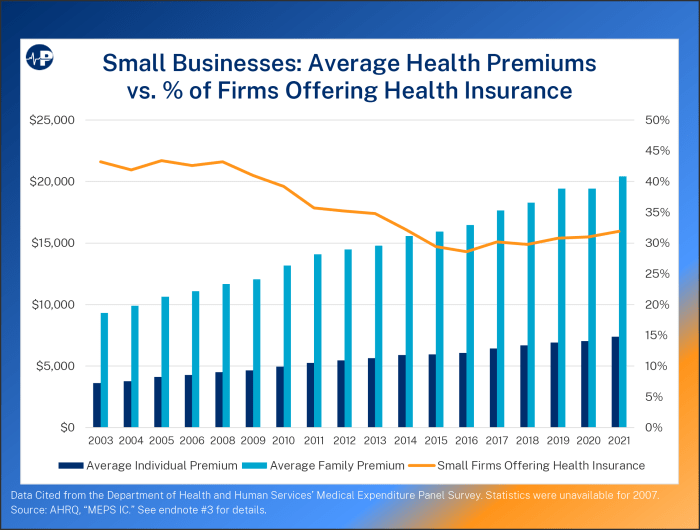
Customization and flexibility in health insurance plans are crucial for startups as they allow companies to tailor their benefits to meet the specific needs of their employees. This not only helps in attracting top talent but also plays a significant role in retaining them.
By offering personalized health insurance plans, startups can create a competitive advantage in the job market.
Customizable Features Offered by Insurance Providers for Startups
- Flexible coverage options: Insurance providers offer a range of coverage options that allow startups to pick and choose the benefits that best suit their employees' needs.
- Health and wellness programs: Some insurance providers offer additional wellness programs that can be customized to target specific health concerns or promote healthy habits among employees.
- Telemedicine services: Startups can opt for telemedicine services that provide employees with virtual access to healthcare professionals, ensuring convenient and timely healthcare consultations.
- Flexible contribution levels: Insurance plans with flexible contribution levels allow startups to adjust their financial commitment based on their budget and employees' needs.
- Employee choice options: Some insurance providers offer plans where employees can choose their coverage options, giving them the flexibility to select the benefits that matter most to them.
Impact of Flexible Health Insurance Plans on Employee Satisfaction and Retention
Flexible health insurance plans play a crucial role in enhancing employee satisfaction and retention within startups. When employees feel that their healthcare needs are being met and they have the freedom to choose the benefits that align with their preferences, they are more likely to feel valued and engaged in their workplace.
This, in turn, leads to higher job satisfaction, increased productivity, and improved employee loyalty.
Considerations for Startups When Choosing Health Insurance
When startups are selecting a health insurance provider, there are several key factors to consider to ensure they are providing the best coverage for their employees while also managing costs effectively. It's important for startups to carefully evaluate network coverage, deductibles, premiums, as well as the reputation and reliability of the health insurance provider.
Additionally, knowing how to negotiate better health insurance deals can help startups save money while still offering quality coverage to their employees.
Network Coverage, Deductibles, and Premiums
When choosing a health insurance provider, startups should pay close attention to the network coverage offered. A provider with a wide network of doctors and hospitals can ensure that employees have access to quality healthcare services without having to travel far distances.
Deductibles and premiums also play a crucial role in the overall cost of health insurance. Startups should compare different plans to find the right balance between affordable premiums and reasonable deductibles.
Evaluating Reputation and Reliability
Startups must research and evaluate the reputation and reliability of potential health insurance providers. Reading reviews, checking ratings, and asking for recommendations from other businesses can help in determining the level of service and support offered by the provider. It's essential to choose a provider with a good track record of timely claims processing and customer satisfaction.
Negotiating Better Deals
Startups can negotiate better health insurance deals by exploring different options, such as high-deductible plans, health savings accounts (HSAs), or flexible spending accounts (FSAs). They can also consider offering wellness programs or implementing cost-sharing strategies with employees to lower premiums.
Working closely with insurance brokers or consultants can help startups navigate the complexities of health insurance and secure more competitive rates.
Legal Compliance and Regulations for Small Business Health Insurance
When it comes to offering health insurance for startups, it is crucial to understand the legal requirements and regulations in place. Startups need to ensure they are compliant with these regulations to avoid any consequences of non-compliance and provide adequate coverage for their employees.
Ensuring Compliance with Health Insurance Regulations
- Start by researching and understanding the federal and state regulations related to health insurance for small businesses.
- Consult with legal experts or insurance professionals to ensure you are meeting all the necessary legal standards.
- Regularly review and update your health insurance policies to remain compliant with any changes in regulations.
Consequences of Non-Compliance
- Failure to comply with health insurance regulations can result in penalties, fines, or legal action against your startup.
- Non-compliance can also lead to reputational damage and loss of trust among employees and potential recruits.
Resources for Staying Informed
- Utilize resources such as the U.S. Department of Labor's website or the Small Business Administration for guidance on health insurance regulations.
- Stay connected with industry associations or forums that provide updates on changes in health insurance laws and compliance requirements.
- Consider hiring a professional insurance broker who can help navigate the complexities of health insurance regulations.
Wrap-Up
In conclusion, Small Business Health Insurance for Startups: Top 5 Providers offers a comprehensive guide to navigating the complex world of health insurance for budding businesses. By understanding the top providers and customization options available, startups can make informed decisions to ensure the well-being of their employees.
Commonly Asked Questions
What is the importance of health insurance for startups?
Health insurance is essential for startups to attract and retain talented employees, ensuring their well-being and productivity.
How can startups customize health insurance plans for employees?
Startups can tailor health insurance plans by choosing coverage options, deductibles, and additional benefits based on the specific needs of their employees.
What factors should startups consider when selecting a health insurance provider?
Startups should consider network coverage, cost-effectiveness, reputation, and legal compliance when choosing a health insurance provider.








![Trulicity Eye Side Effects Lawsuit [2025 Update] | King Law](https://medic.goodstats.id/wp-content/uploads/2025/12/Trulicity-Side-Effects-Common-Serious-Long-term-1-120x86.png)